

Many drivers have visited our VW dealer’s service department because they suspect an engine is leaking. Read on for insight into how you can assess this problem.
Engine Leaking? VW Dealer Guide to Identifying the Problem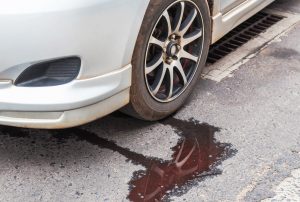
Your auto engine can leak various substances, from air to oil to coolant. Each type of leak can exhibit in different ways and have other root causes. Ease your leak worries with the Gen-3 1.8-liter TSI engine, available on VW models from the Jetta to the Passat. This engine earns global accolades for its reliability and long lifespan.
If you’re experiencing engine woes right now, let’s take a closer look at some of the most common engine leaks.
Vacuum Leaks
Maintaining a stable air and fuel ratio is vital for your engine’s performance. A vacuum hose leak may have occurred if the engine’s air intake is off. Like other engine problems, one of the first indications of a leak is an illumination of the check engine light. If the vehicle experiences a rougher idle, the chances of a vacuum leak are also stronger.
In addition, your engine idle RPM will likely be higher. Other signs of a vacuum leak include sluggish acceleration and engine misfires or stalls. Further, broken hoses can cause a high-pitched hissing or sucking noise. Fuel economy and emissions may also suffer. Vacuum leaks may result from hose damage or an issue with the throttle body gasket or intake manifold.
Oil Leaks
These leaks can be caused by minor issues such as loose caps or malfunctioning parts like gaskets. The most obvious sign of engine oil leakage is the presence of oil puddles under your auto. The oil is typically either black or dark brown. Your dashboard’s oil pressure indicator usually lights up, signaling low pressure. If you are shifting gears, you might notice some difficulty.
Oil leaks can cause more alarming symptoms too. Because oil helps stabilize the engine’s temperature, a substance leak can cause it to overheat. Leaking oil can also overheat other metallic auto parts, which can lead to a burning smell at best and a fire hazard at worst. If you notice a foul odor or smoke, pull over immediately.
Coolant Leaks
Coolant, a mixture of water and ethylene glycol, is another critical fluid that keeps your engine healthy. The radiator and various passages keep coolant flowing, and wear and tear or physical damage to any components can cause a coolant leak. Tell-tale signs include engine overheating, bubbles in the radiator or coolant overflow tank, and plumes of white smoke.
A blown head gasket can additionally cause coolant seepage. Your engine’s performance may worsen, emitting rumbling noises as the combustion chamber fills with coolant and oil. Coolant mixed with oil can also alter the oil’s appearance to a whitish color and cause thick exhaust smoke. If a puddle on the underside of your car is green, blue, red, or pink, you can probably count on a coolant leak.
Don’t wait until it’s too late to avoid a costly repair. Contact the expert technicians at DARCARS Volkswagen and get a diagnostic from qualified professionals today.
Connect with us


