


Maintaining the correct Volkswagen tire pressure is crucial to ensure your car’s tires wear down evenly and last longer. In this article, your VW dealer shows you how easy it is to check yours using a tire pressure gauge to make sure all four tires are always inflated to the recommended pounds-per-square-inch (PSI) tire pressure levels.
Modern Volkswagen vehicles use advanced sensors in the ABS to determine whether your tire has fallen below its acceptable pressure range. If this happens, you’ll see a warning on your dashboard or infotainment system. Once this happens, you’ll need to know how to check tire pressure yourself.
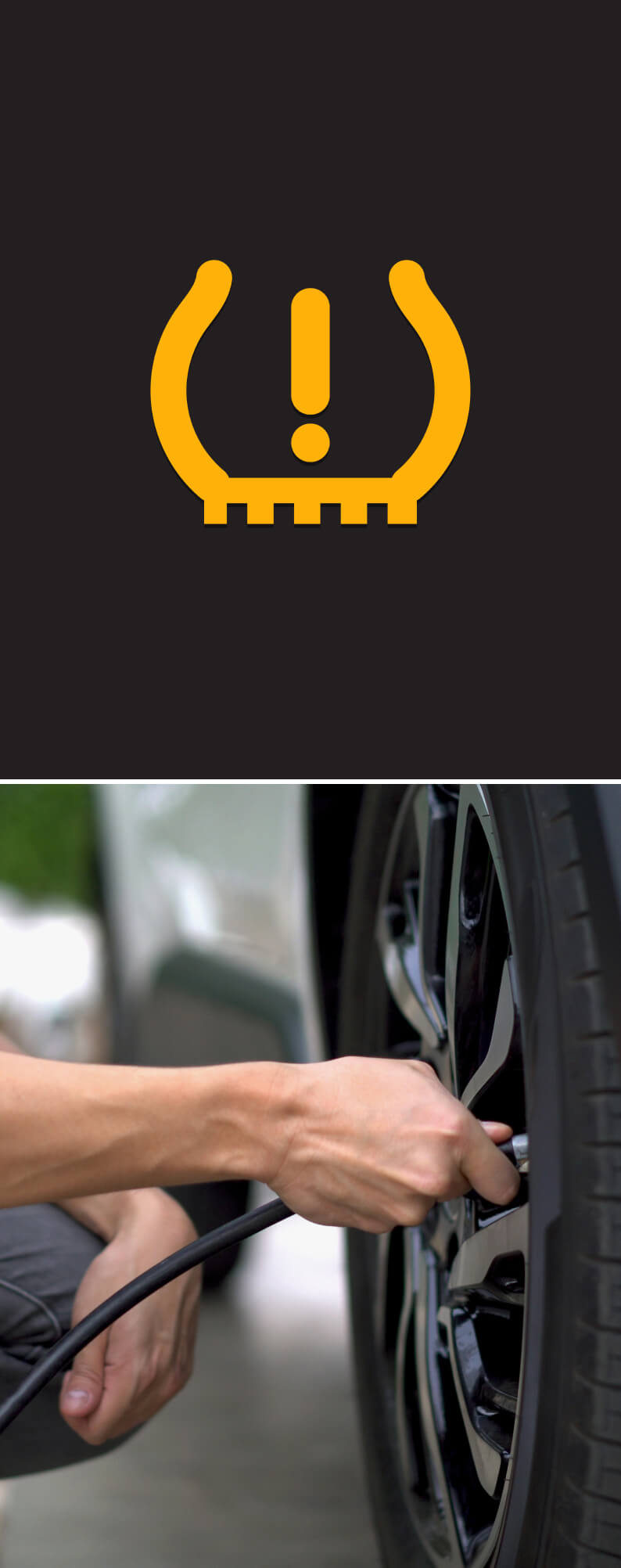
How Do I Check My Tire Pressure Manually?
When you drive your car, it causes friction that heats the tires. This heat energy will change any pressure reading that you take, so you need to wait for the tires to cool down before measuring your Volkswagen tire pressure. If possible, it’s best to wait approximately three hours after you’ve driven your car before performing a pressure check to ensure your tires are cold enough and to get an accurate pressure reading.
While you wait for the tires to cool down, write down the correct tire pressure for each tire on paper. The front and the rear tires might have different pressure levels. The recommended tire pressure will be on a sticker inside your driver’s door and in your owner’s manual.
Using a Tire Pressure Gauge
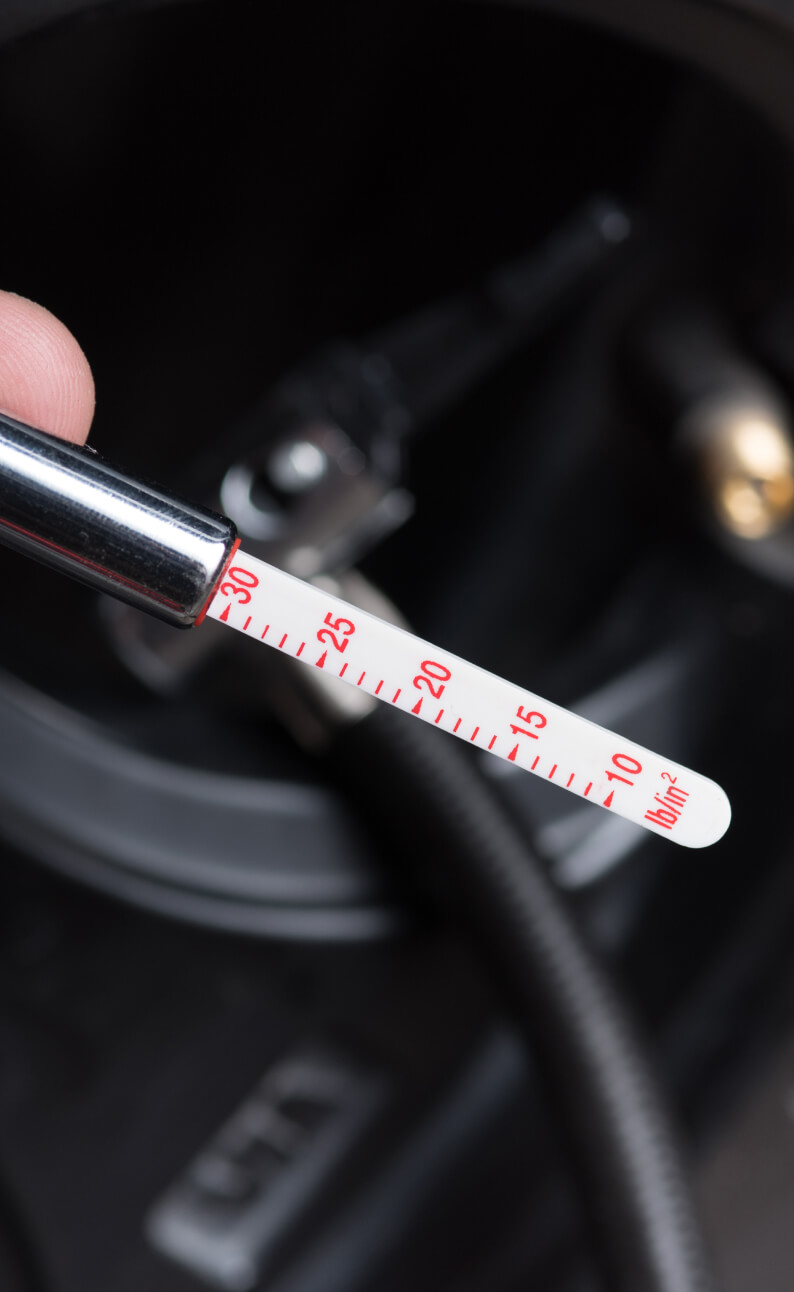
The easiest way to check the tire pressure is to use a standard or digital tire pressure gauge to determine the PSI of each tire. PSI is the unit by which tire pressure is measured. To measure tire pressure, you’ll have to pick a tire, unscrew and remove the valve cap, and put the cap in a safe place so you don’t lose it. Press the gauge against the valve stem until you hear a hissing noise, and wait for the reading to appear.
A standard tire pressure gauge has a dial that will point to the pressure level. Some gauges have a bar that jumps up to indicate the tire’s current PSI level. If you use a digital tire pressure gauge, you will see the reading on the screen. Check the pressure of all four tires and write down the readings next to the recommended pressure for each tire. You’ll generally want to check each tire twice, especially if you’re using a manual gauge.
Inflate the Tires to the Correct PSI
Once you have your Volkswagen tire pressure recorded, you’ll need to compare the readings and then inflate or deflate the tires to the recommended pressure levels. Be cautious not to overinflate the tires.
If a tire is overinflated and you want to reduce the pressure in the tire, press the back of the gauge against the metal pin in the center of the valve to release the air. Please do this in bursts and regularly check the pressure until it’s at the correct level. Once the pressure of a given tire is corrected, replace the valve cap and move on to the next tire.
Your Volkswagen tires must be inflated to the correct pressure levels to ensure even wear. Underinflated or overinflated tires could blow out; you can also lose control of your vehicle and cause an accident when driving on tires that aren’t within a safe pressure range. Tires that are inflated to the correct PSI rating will also save you money on gas.
When Should I Check My Tire Pressure?
If you are seeing a tire pressure warning in your dash system, you’ll definitely want to take the time to check your tires’ PSI levels. This is not the only time when you’d be well-served to take a reading, however. You should check your tire pressure every few months (this is also a great time to take a look at your tires’ tread wear).
Our team hopes that this blog article is helpful. We understand, however, that some drivers will prefer to have a professional handle their automotive maintenance and service. Please visit DARCARS Volkswagen today for a range of quality brand tires and tire inspections and installations performed by qualified Volkswagen technicians.
Why Do Tires Lose Pressure?
Over time, your Volkswagen tire pressure is going to naturally decrease as the gases in your tire squeeze their way out. There are other things, however, that can cause your tire to lose pressure more quickly:
- A hole in the tire
- Tire overinflation (the gasses in your tire will be under more pressure to escape)
- Incorrect valve seating
- Unsealing of tire layers (this can occur as tires age)
- Damaged rims
- Defective wheel and tire parts
If you find that you frequently need to adjust your Volkswagen tire pressure, then you may well be experiencing one of these issues. You can investigate yourself or bring the vehicle to our dealership service team. We also carry a range of VW recommended tires that you can purchase when it’s time for some fresh rubber.
Connect with us


